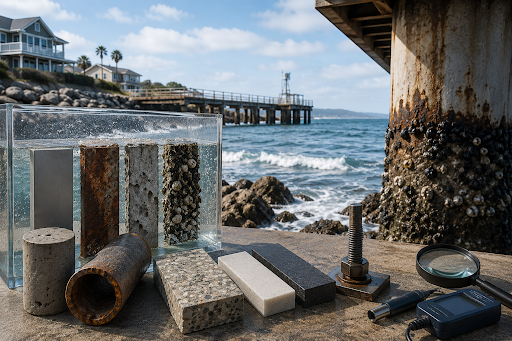
In situations where construction takes place near the coast, such exposure to moisture, salts, and weather changes becomes a common affair. It thus becomes very difficult. The choice of materials in such a situation becomes very important if we wish for the structure to last longer rather than being structurally weak initially. An example of such material is Australian marine plywood. It’s appreciated for its resilience and also its ability to adapt in harsh coastal climates, where other products can start to struggle.
What makes it different is the specialised build. It provides resistance to delamination as well as restricts degradation even when the surrounding continuously stresses it. Hence, it makes it an efficient option for those projects which require durable performance even in the difficult environment of the coastal region.
The Impact of Salt and Moisture
Salt-laden air, plus high humidity levels, can speed up the decay of many building materials, a bit more than people expect. Metals may corrode, while untreated wood can swell and then rot eventually, even if everything looks fine at first. In the coastal zones, materials have to resist moisture uptake and salt intrusion, not just one of them. So, choosing the right substance, or the right combination of materials, is essential if you want a stable structure over the years and also lower upkeep expenses later on.
Strength and Stability in Harsh Conditions
The materials required in coastal regions must continue performing consistently despite the variability in weather conditions. This is because wind, rain, and strong sun rays contribute to the wearing and tearing of materials. For this reason, marine-engineered wood products have been specifically made to cope with this challenge without deformation.
A big reason builders often choose Australian marine plywood is how well it keeps its form and stays strong, even after going through the same wet-dry cycles again and again. The layered construction helps with stability, too, so it doesn’t go sideways as easily. Because of that, it works for structural uses as well as more decorative kinds of uses, depending on what’s needed.
Key Features to Look For
When selecting materials for coastal construction, consider the following:
- High resistance to water penetration
- Strong bonding between layers or components
- Protection against fungal growth and decay
- Ability to withstand temperature variations
- Minimal expansion and contraction
These characteristics help ensure that materials perform reliably over time without frequent repairs or replacements.
Applications in Coastal Projects
When it comes to construction at the coast, the materials that are used should definitely be beautiful but durable enough despite everything. Decking, cabinetry, wall panels, and outdoor furniture should not only survive in the salty atmosphere, in humidity and in spite of all possible wear but also stay visually attractive.
That is why people use Australian marine plywood in beach houses, in waterfront interiors and when constructing things outdoors. It has an elegant texture, which is why it can be used where appearance plays an important role, in addition to durability.
Maintenance and Longevity
Even the strongest materials are somewhat dependent on proper maintenance, too. With proper inspection and application of protective coats, coastal structures will definitely last for a much longer period of time. These sealants and finishes act as protection from moisture and salt, thus preserving the initial material quality.
If you opt for high-performance materials, the maintenance cycle is reduced. It means that you will spend less time, and in the end, you will also save money. Materials made for marine settings are engineered to require minimal upkeep while still giving steady results.
Summary
In conclusion, getting a grasp on how materials respond to coastal conditions is basically key for successful building, you know. By choosing dependable options like marine plywood, builders and homeowners can get durability, stability and a long-lasting kind of value even when the environment feels most difficult out there.
Also, making thoughtful material decisions helps lower maintenance needs, and it can make the whole project run more efficiently, not only that. So in the end, structures tend to stay sturdy, attractive in appearance, and functional for many years once they’re set in coastal areas.